Four Launches in Five Days. One Direction.

Between September 25 and 29, Microsoft, Manus, Anthropic and OpenAI each shipped something big.
Different companies. Different customers. Same direction: agents that keep working after you close the tab.
The four launches
Microsoft, Sep 25: Copilot, as usual, goes after the workspace.
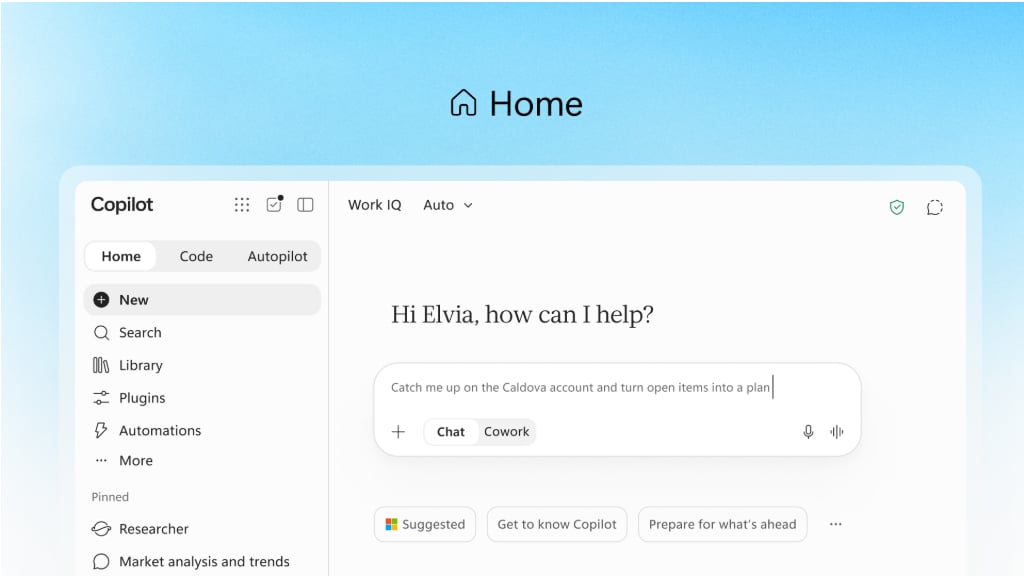
The new Copilot gets Home (Chat and Cowork together, with Word, Excel and PowerPoint built in), Code (build small internal apps from a prompt) and Autopilot, a persistent agent that lives in your tenant with its own identity, memory and computer.
"Autopilot, previously called Scout, is your digital teammate."
The pitch is governance. Copilot Managed Runtime hosts what people build inside Microsoft 365, and new FinOps controls in Agent 365 track the spend. Rollout starts in the Frontier program, and Autopilot is in private preview.
Source: Microsoft
Manus, Sep 28: the comeback.
Manus 2.0 is the company's first major release since the Meta deal fell apart. Meta announced the purchase on December 29, 2025. China's planning agency ordered it unwound on April 27. Manus formally resumed independent operations on September 1.
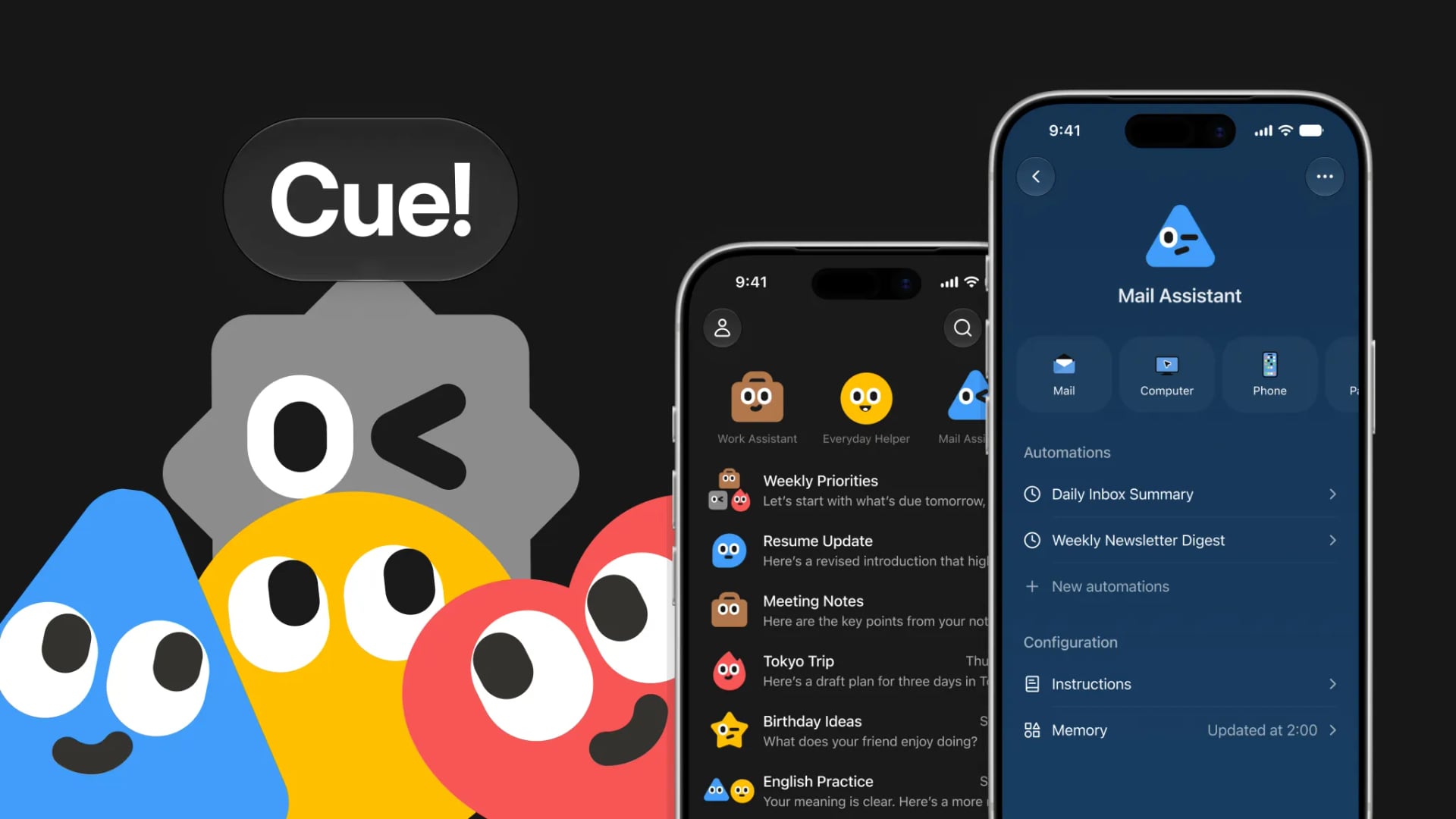
Now it's back, Singapore-based, with a rebuilt agent harness (Cascade), Cloud Computer, event-triggered Automations, Manus Studio, and Cue, an app where every agent gets its own email, phone number and wallet.
The cost claim (32% cheaper to run) comes from one tested configuration, so treat it as vendor data. And it lands in a crowded lane: Meta's own agent, Muse, launched September 8.
Source: Manus
Anthropic, Sep 28: Claude Sonnet 5.5.
The second model in the 5.5 family, six days after Opus 5.5. The price didn't move: $2 input, $10 output per million tokens. Anthropic says it's 30% faster and up to 30% cheaper per task, and reports 70.6% on Terminal-Bench 4.0, ahead of Opus 5.5's 66.4%.
"A faster, lower-cost complement to Claude Opus 5.5."
One caution. Independent testing by Artificial Analysis found it used more output tokens per task than anything they'd measured at maximum reasoning, which pushed cost per task about 50% above Sonnet 5 in that setting. Same sticker price, different bill. Measure cost per task, not per token.
OpenAI, Sep 29: DevDay.
More than 20 announcements. The headliners:
Dots: always-on agents with their own computer and browser, connected to 4,000+ apps, running on GPT-6 Astra. Included in Pro.
ChatGPT Space: a shared workspace for teams and their dots.
GPT-6.1 Sol: close to Astra on agentic coding and computer use, at one-fifth the price ($2 / $10).
Decisions API (limited preview), Agents API with computer use (public beta), Codex in the cloud, Pro 500, and a Marketplace.
Availability is staged. Sol is in ChatGPT Work, Codex and the API, not regular Chat. Dots aren't available to Pro users in the EEA, Switzerland or the UK.
Source: OpenAI
What ties them together
Agents now have accounts. Autopilot, dots and Cue all give the agent its own identity and its own computer. That's a colleague with credentials, not a chat window.
The price war is real. On September 22, Anthropic cut Opus 5.5 to $4 / $20 and OpenAI halved GPT-6 Sol and Luna. Then Sol 6.1 and Sonnet 5.5 both landed at $2 / $10. Prices moved twice in eight days.
Cost control is now a feature. Microsoft split Copilot into a fixed-cost license for everyday work and usage-based billing for agents. That tells you where the bills are heading.
Microsoft and OpenAI are selling to the enterprise workspace. Manus and Cue lean personal. Your employees will bring both through the door anyway.
What US enterprises should do this week
1. Inventory what's already in use. Dots ship with Pro plans and Cue is invite-driven. Someone on your team likely has one.
2. Name an owner before the agent gets a computer. Identity, permissions, audit trail. In that order.
3. Shadow, then gate. Let Autopilot or dots propose while humans decide. Widen autonomy only where outcomes are consistent.
4. Track cost per task. Sonnet 5.5 is the example. The rate card tells you little.
5. Keep models swappable. If prices move twice in eight days, your architecture shouldn't care which model is cheapest.
Symprio builds agentic automation for regulated enterprises, especially financial services. We help teams pick the first process, put governance around it, and take it from pilot to production, on whichever model is best that quarter. If you're weighing what this week means for your roadmap, talk to us →.
#AIReleaseWeek #AgenticAI #EnterpriseAI #AIAutomation #AITransformation #MicrosoftCopilot #Manus2 #ClaudeSonnet #OpenAIDots #AIGovernance #EnterpriseAutomation #DigitalTransformation #AIStrategy #AIInnovation #Symprio